IN MY WORDS | The Bang Bang Club

1. In general, what did you like and dislike about the film?
Some people might say they didn't like the characters (I think even the teacher did haha) but that's what I found well done about the movie, the characters are not made to sympathize, but to look real and show how humans make mistakes which can make feeling empathy for them a hard task.
A lot of people is not easy to sympathize with, but that's what makes them people, just like the characters from the film, they are rather showed like real human beings than fictional well structured characters and somehow I like that.
I disliked how time jumps are handled, there are many things that happened right after others in the film time, but not in the actual real time of the events, there isn't really any remarkable elements that contextualize the time in the movie.
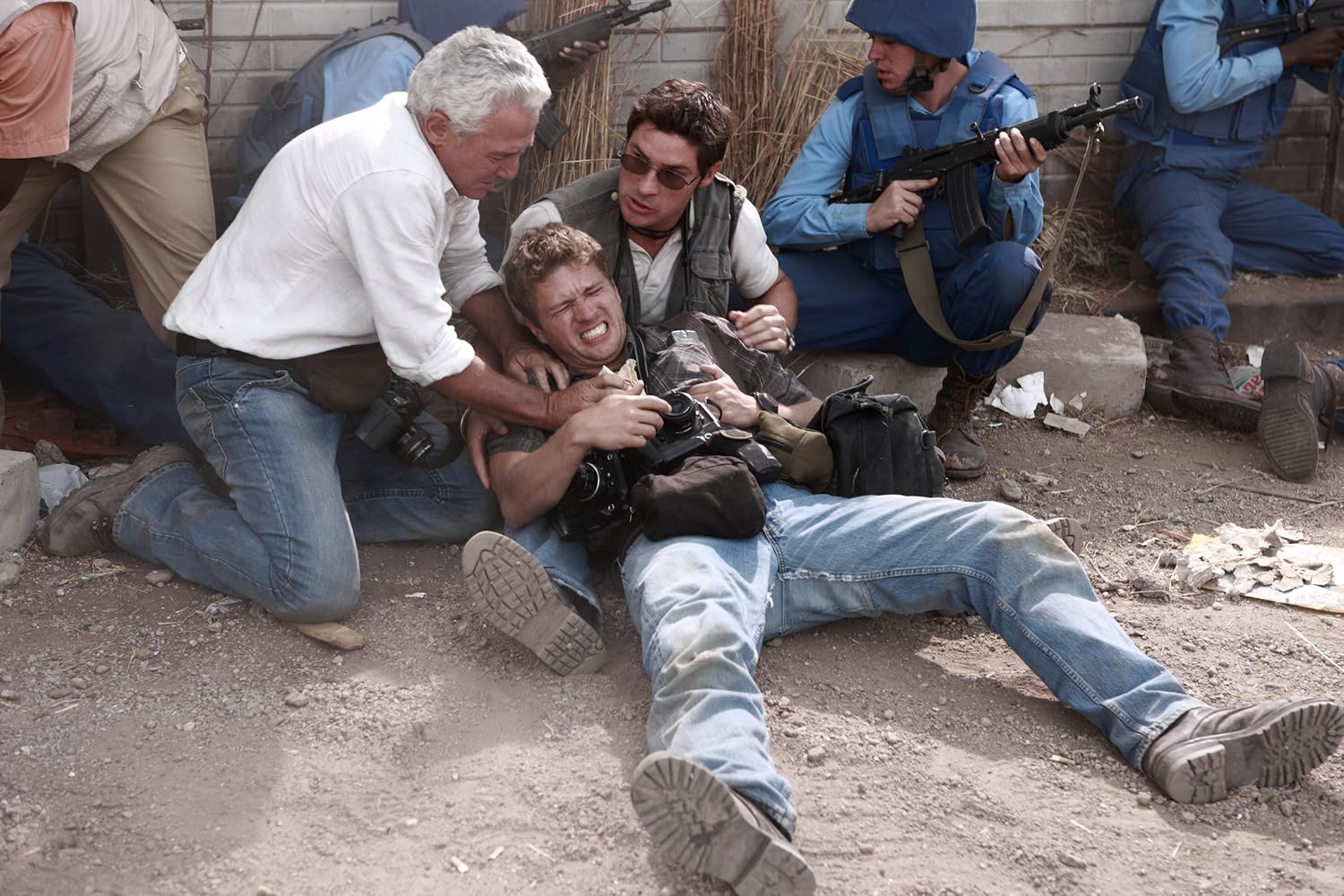
2. How does the film make you feel about your future role as a journalist?
I knew about this story before watching the film, specifically about Kevin Carter Pullitzer Award winning photo and how it triggered the events that ended up in him commiting suicide.
The movie really made me think about the journalist (that after all, is a person) behind photographies and information in general about conflicts that are as raw as the apartheid and how taking the role of a witness of such vicious things can affect their mental health pushing them to the edge just like it happened to Kevin Carter.

3. In this film, and various of the other films, we have seen how black South African went to vote massively in April 1994 to seal the downfall of the apartheid system with the electoral triumph of Nelson Mandela and the ANC, now more than 20 years later, we see many of the problems originated during the apartheid are still present such as land inequality, class inequality, unemployment, etc.
We have talked about this since the very start of the course, to the point of considering if the Apartheid only ended in the books of laws, but taking it to reality there are a lot of problems of inequality between races that still exist today.
Discrimination is yet to be demolished, even though ending the Apartheid was a huge step, two decades later we can see that there is still things left undone like they should be.
Changing these injustices in the practice will be absolutely hard to do because it means to change the minds of the people to make them see people equal, no matter their race. South Africa haven't yet achieved the life the Freedom Charter said it would.
"Racism still alive, they just be concealing it"
- KanYe West


Comentarios
Publicar un comentario